
Prof T's Science Career and Graduate School tidbits...
Prof T's Science Writing, Reading, Presenting thoughts and info...
Teaching
click menu items to expand/collapse
- Listening (FYSE-111) - Fall 2026
- This First Year Seminar explores listening as a natural and cultural process, a way of relating to oneself and the world, and as a method for experiencing the liberal arts. Listening has different histories across different species. It links vibrating matter to vibrating bodies in ways that are biologically and physically complex or politically charged. And it requires paying attention to others at different scales. This course moves between disciplines to engage a broad set of questions: Is there a difference between hearing and listening? Is listening the domain of particular ways of perceiving and sensing? What is the relationship between vibration, acoustics, and physiology? What impedes and impairs listening? Class meetings will include experiential and hands-on lab activities, field trips, philosophical debate, and conversations about teaching and learning in an open curriculum. Co-Taught with Jeffers Engelhardt (Music).
- Animal Physiology (BIOL-260) - Fall 2026
- This course will examine the function of animal tissues, organs, and organ systems, with an emphasis on the relationship between structure and function. Building outward from the level of the cell, we will study bodily processes including muscle contraction, respiration, circulation, digestion and excretion. In addition, the course will address how different organisms regulate these complex processes through a lens of comparative physiology and also examine how ion and fluid balance is maintained. We will also study the nervous system in the context of sensory systems, focusing on how external stimuli are transformed into meaningful neuronal signals and processed by the brain. Weekly group discussions may include readings from primary literature.
- Neurophysiology with CURE Lab (BIOL-351) - Spring 2027
- (Offered as BIOL 351 and NEUR 351): This course will provide a deeper understanding of the physiological properties of the nervous system. We will address the mechanisms underlying the structure and function of neurons, the primary cells of the nervous system in animals. These cells transfer information through both chemical and electrical mechanisms, and we focus on these processes at the synapse, the connection point between two neurons. We then examine how signals move across multiple cells using the hippocampus and inner ear as models. Key learning areas include understanding the quantitative nature of neurophysiology; the transduction and integration of sensory information; the structure and function of circuits; the trophic and plastic properties of neurons; and the relationship between neuronal activity and behavior. Throughout the course, we focus on past and current neurophysiology primary research and how it contributes to the field of neuroscience. Three classroom lecture hours. Three hours of laboratory work per week, which is designed around a research laboratory experience that focuses on hypothesis and experimental design, expertise with neurophysiology equipment, the zebrafish model organism, and analysis and presentation of collected data in the form of scientific figures and research papers.
- Neurobiology (BIOL-214) - TBA
- (Offered as BIOL 214 and NEUR 214): An introduction to the structure and function of the nervous system. This course explores the basic functions of neurons and synapses as well as neural mechanisms of sensation at molecular, cellular, circuit and system levels. Basic topics in neurobiology and neurophysiology will be covered with an emphasis on neuroscience history and understanding how neuroscientists approach the study of the nervous system. Three class hours per week.
- Being Human in STEM (BIOL-250) - TBA
- (Offered as BIO 250, CHEM 250, LLAS 250 and SOCI 250) This is an interactive course that combines academic inquiry and community engagement to investigate identity, inequality and representation within Science Technology Engineering and Mathematics (STEM) fields--at Amherst and beyond. We begin the course by grounding our understanding of the STEM experience at Amherst in national and global contexts. We will survey the interdisciplinary literature on the ways in which identity - race, gender, class, ability, sexuality- and geographic context shape STEM persistence and belonging. We will bring this literature into conversation with our own Amherst experiences. These challenging conversations require vulnerability, openness and the ability to tolerate discomfort. We will work from day one to build a brave space whose foundation is trust, accountability and growth. Students will design group projects that apply themes from the literature and our seminar discussions to develop resources and engage the STEM community, whether at the college, local, or national level. Course work includes critical reading and discussion, reflective writing, and collaborative work culminating in community engagement projects which students will share with the campus and the broader public. The class will meet synchronously most days for the remote January term and will also involve asynchronous small group work.
- Animal Physiology with Lab (BIOL-261) - TBA
- This course will examine the function of animal tissues, organs, and organ systems, with an emphasis on the relationship between structure and function. Building outward from the level of the cell, we will study bodily processes including muscle contraction, respiration, circulation, digestion and excretion. In addition, the course will address how different organisms regulate these complex processes through a lens of comparative physiology and also examine how ion and fluid balance is maintained. We will also study the nervous system in the context of sensory systems, focusing on how external stimuli are transformed into meaningful neuronal signals and processed by the brain. Weekly group discussions may include readings from primary literature. Laboratory sessions will include human and non-human physiology laboratories. Three classroom hours and three laboratory hours per week.
- Seminar in Physiology (BIOL-450) - TBA
- Concentrating on reading and interpreting primary research, this course focuses on classic and soon-to-be classic neurophysiology papers. We discuss the seminal experiments performed in the 1950's that led to our understanding of action potentials; experiments in the 1960's and 1970's that unlocked how synapses function; and more recent research that combines electrophysiology with optical methods and genetic techniques to investigate the role of many of the molecular components predicted by the work from the earlier decades. Assignments include written reviews of literature as well as oral presentations.
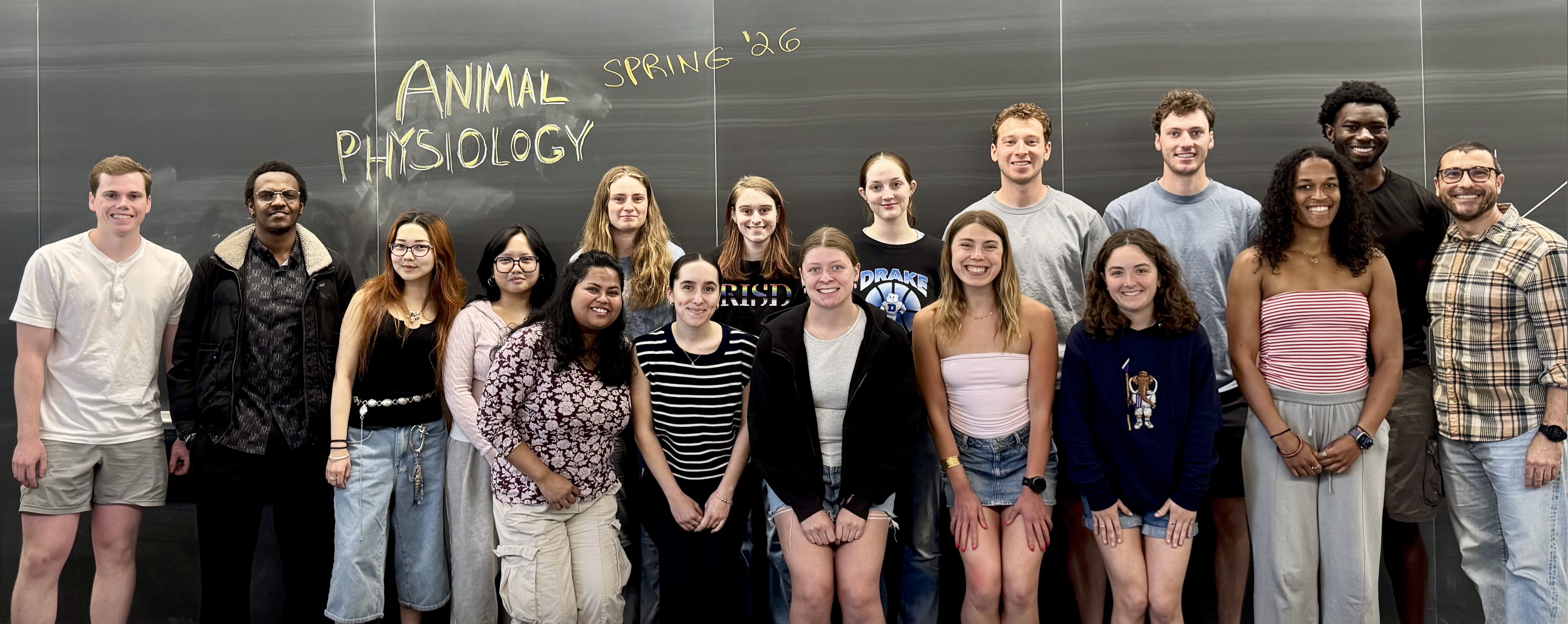
Animal Physiology (BIOL-260) - Spring 2026
Neurophysiology Seminar (BIOL/NEUR-450) - Spring 2026
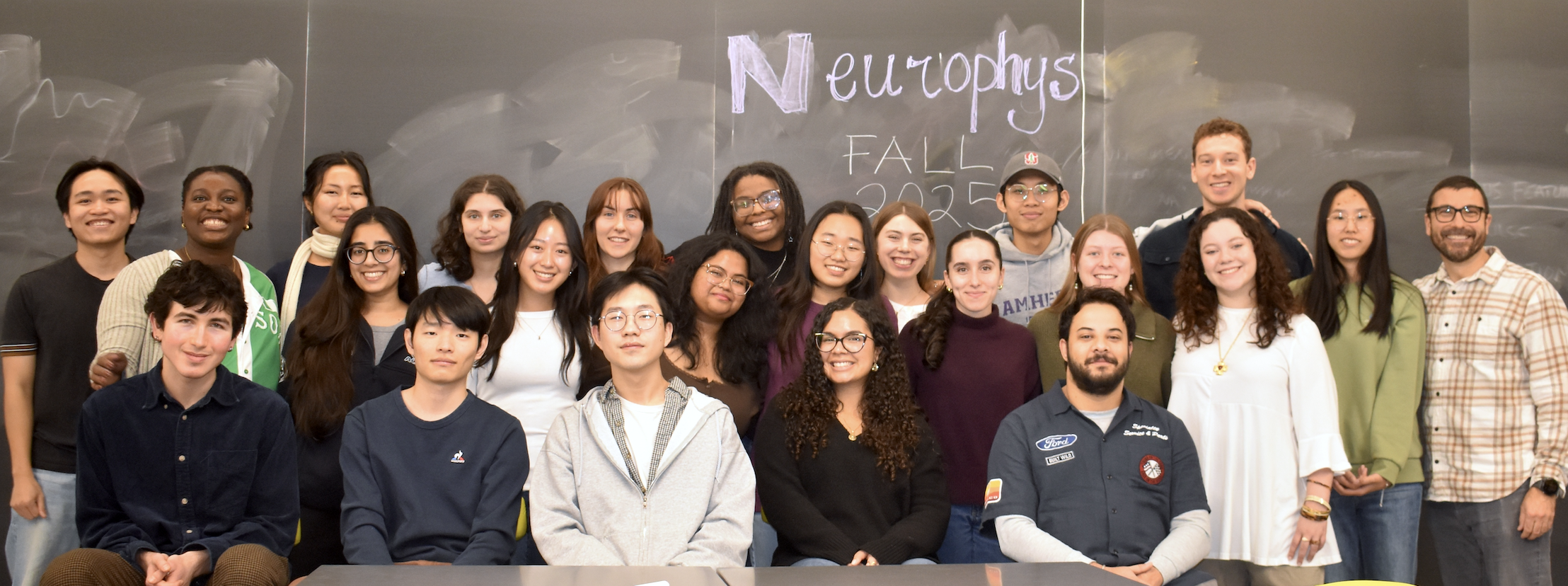
Neurophysiology w/ Lab (BIOL/NEUR-351) - Fall 2025
Animal Physiology w/ and w/out Lab (BIOL-260/261) - Spring 2025
Animal Physiology w/ Lab (BIOL-261) - Spring 2024
Neurobiology (BIOL-214) - Fall 2023
Being Human in STEM (BIOL-150) - Spring 2023
Neurophysiology w/ Lab (BIOL/NEUR-351) - Fall 2022
Seminar in Physiology (BIOL-450) - Spring 2022
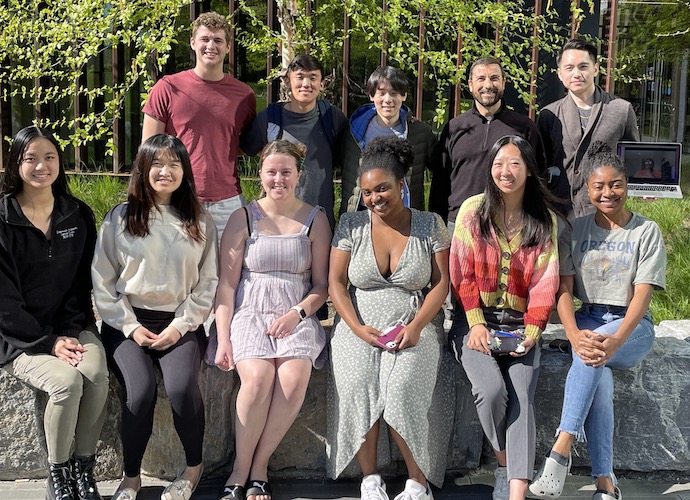
Being Human in STEM (BIOL-250) - January 2022
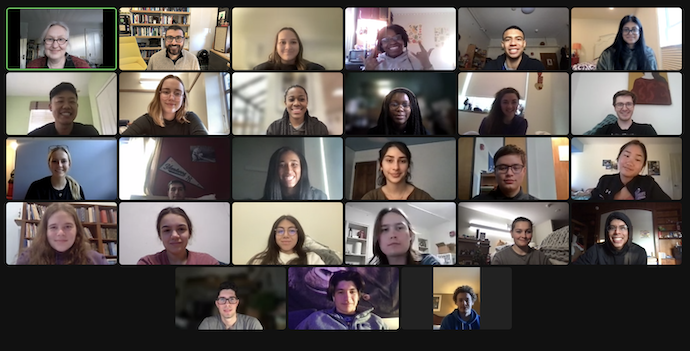
Animal Physiology (BIOL-260) - Fall 2021
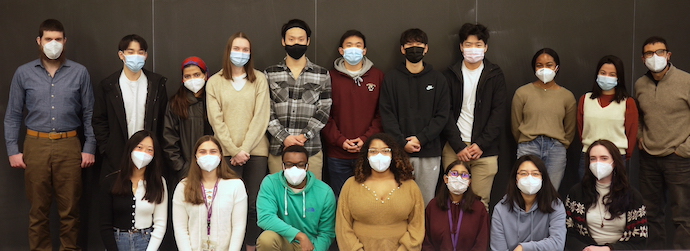
Animal Physiology (BIOL-260) - Spring 2021

Being Human in STEM (BIOL-250) - January 2021

Seminar in Physiology (BIOL-450) - Spring 2019
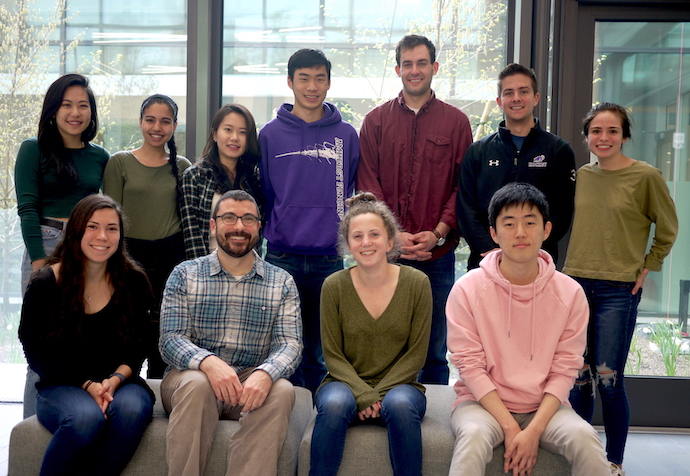
Neurophysiology w/ Lab (BIOL-350/351) - Fall 2018
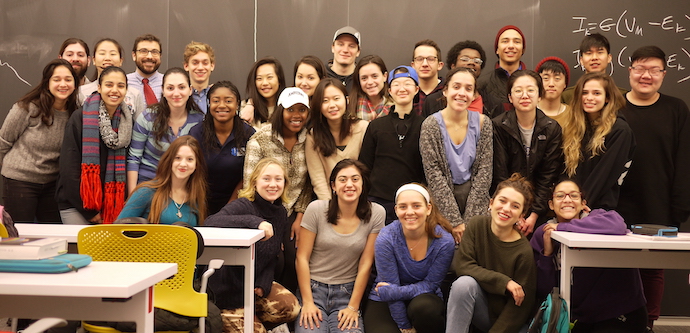
Intro to Neuroscience (NEUR-226) - Spring 2018
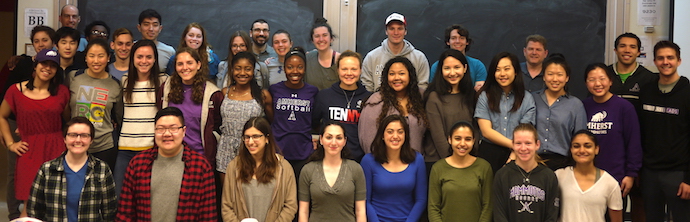
Neurophysiology w/ Lab (BIOL-350/351) - Fall 2017

Seminar in Physiology (BIOL-450) - Spring 2017
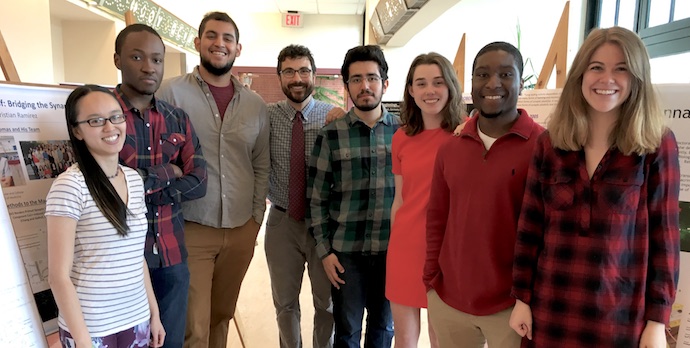
Animal Physiology (BIOL-260) - Spring 2017

Neurophysiology w/ Lab (BIOL-351) - Fall 2016
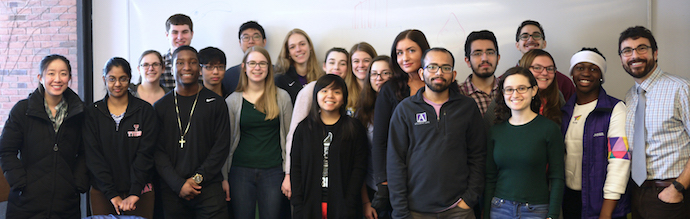
Intro to Neuroscience w/ Lab (NEUR-226) - Spring 2016
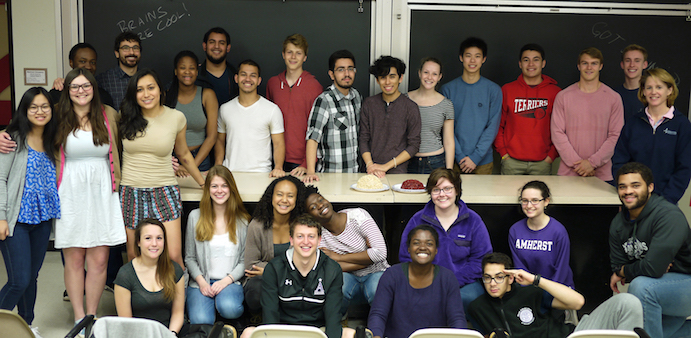
Intro to Neuroscience w/ Lab (NEUR-226) - Spring 2014

Neurophysiology w/ Lab (BIOL-351) - Fall 2013
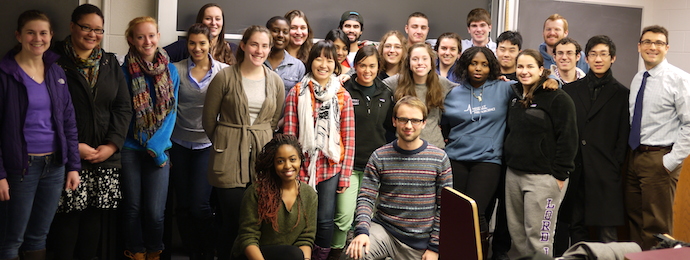
Seminar in Physiology (BIOL-450) - Spring 2013
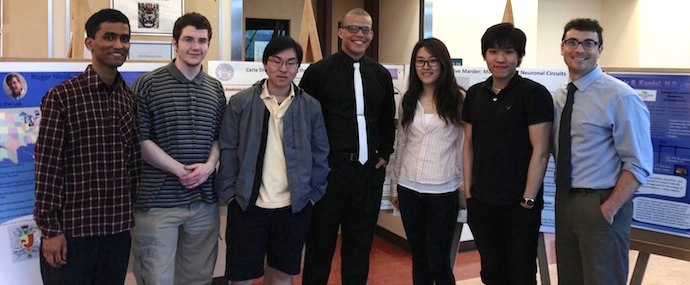
Animal Physiology (BIOL-260) - Spring 2013
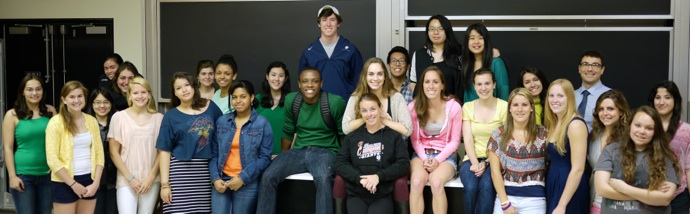
Neurophysiology w/ Lab (BIOL-351) - Fall 2012
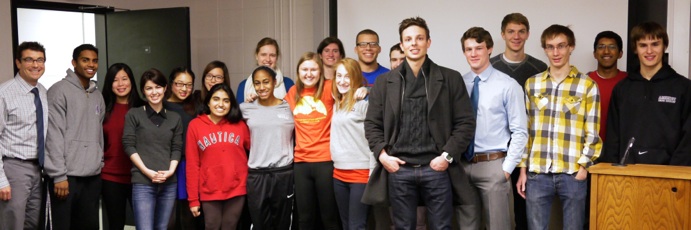
Intro to Neuroscience w/ Lab (NEUR-226) - Spring 2012

Animal Physiology (BIOL-260) - Fall 2011
